Window tinting reduces interior vehicle heat by using advanced material technologies like ceramic nanoparticles and spectrally selective films to absorb and reflect invisible thermal radiation, specifically Infrared (IR) rays and Ultraviolet (UV) light rather than relying on dark dye pigments. Because these specialized films specifically target thermal energy without blocking Visible Light Transmission (VLT), they reject over 90% of heat while maintaining a clear or light appearance. Consequently, drivers enjoy a cooler cabin without compromising night visibility, obscuring side mirrors, or violating state window tinting laws.
The Science of Solar Energy: Heat vs. Light
To understand how modern window films block heat without making glass dark, it helps to break down what actually makes up natural sunlight. Solar radiation entering your vehicle’s cabin consists of three main bands:
- Ultraviolet (UV) Rays (~3% of solar energy): Invisible high-energy rays that cause skin damage and ruin leather, vinyl, and plastic interior surfaces.
- Visible Light Transmission (VLT) (~44% of solar energy): The visible light spectrum that human eyes use to see through glass.
- Infrared (IR) Radiation (~53% of solar energy): Invisible thermal wavelengths that directly transfer heat to your skin, seats, and dashboard.
Traditional dark films rely on heavy dyes to absorb visible light. However, because visible light makes up less than half of total solar heat, darkening your windows leaves more than 50% of incoming thermal energy completely unblocked. Modern solar control films isolate and filter out Infrared radiation directly, leaving visible light intact.
When inspecting vehicles for drivers seeking premium auto care and window tinting in Miramar, FL, technicians frequently notice that cars using older dyed films suffer from severe interior heat buildup despite having dark windows. Replacing those dark, outdated films with light ceramic alternatives lowers heat levels without sacrificing visual clarity.
How Modern Window Tinting Technologies Reject Heat
The shift away from traditional dark film is driven by advanced material science. High-performance films generally rely on two distinct construction types:
Carbon and Hybrid Films
Carbon films utilize microscopic carbon particles embedded directly within polyester layers. Because carbon is an exceptionally stable element, it absorbs a substantial portion of infrared light and will not fade, bubble, or turn purple over time. Carbon films offer solid heat reduction with an attractive matte finish, though achieving peak thermal performance still requires a moderate shade.
Nano-Ceramic and Spectrally Selective Films
Nano-ceramic film represents the ultimate solution for solar protection. Non-metallic, non-conductive ceramic nanoparticles are atomic-bonded into ultra-thin film layers.
These particles are tiny between 10 to 100 nanometers making them invisible to human sight so visible light passes through unimpeded. Their physical density, however, creates a tough barrier for longer-wavelength Infrared rays. Advanced ceramic films reject up to 98% of heat-causing IR radiation and 99.9% of UV rays while staying virtually transparent.
The Advantages of High-VLT, High-Heat Rejection Tinting
Choosing a virtually clear or lightly shaded ceramic film delivers clear advantages over standard dark tinting:
- Uncompromised Night Visibility: High VLT ratings (50% to 70%+) keep night driving crisp and safe, preserving view through side mirrors and rear glass.
- Full Legal Compliance: Clear and light ceramic films allow drivers to meet regional tint shade regulations while benefiting from maximum heat rejection.
- Reduced AC Strain and Fuel Consumption: By stopping heat at the glass, your vehicle’s HVAC system cools the interior faster, improving fuel economy and EV range.
- Comprehensive Interior Protection: Blocking 99.9% of UV rays prevents leather cracking, vinyl warping, and dashboard discoloration.
A recent vehicle audit in Hallandale Beach revealed that daily drivers protected with ceramic films experienced dashboard temperature drops of 30°F to 40°F compared to untreated auto glass, demonstrating the power of non-dark heat rejection.
Our Approach to Vehicle Protection and Customer Care
Achieving optimal optical clarity and heat reduction requires precision installation alongside premium film technology. Surface preparation, seamless edge trimming, and precise fitment ensure your film performs reliably for years.
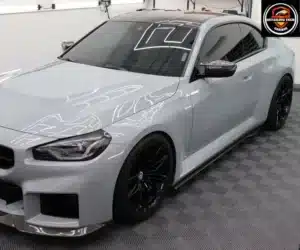
Selecting high-grade window tinting in Miramar ensures that your vehicle benefits from meticulous installation techniques and top-tier materials. At Detailing Tech Garage, we treat every automobile as a unique project requiring precision craftsmanship and individual care.
Our shop delivers the best protection service by combining advanced tools with premium products to preserve your vehicle’s appearance and long-term value. Every installation comes backed by our service with a warranty, ensuring unmatched durability and value, superior performance, and long-lasting optical clarity. Operating on core principles of trust, quality, and unparalleled customer care, our passionate team works closely with you to ensure complete satisfaction.
Comparing Window Tint Technologies
To select the right film for your driving needs, consider how different window film technologies balance light transmission against heat control:
| Tint Technology | Visible Light (VLT) | IR Heat Rejection | UV Protection | Radio/GPS Signal Interference | Appearance |
| Standard Dyed Film | Dark (5%–20%) | Low (15%–30%) | Moderate (80%–90%) | None | Dark / May Fade |
| Metallic Film | Medium (20%–35%) | Moderate (40%–60%) | High (98%) | Possible Interference | Reflective / Shiny |
| Carbon Film | Medium (18%–35%) | Good (50%–70%) | High (99%) | None | Matte Finish |
| Nano-Ceramic Film | High (50%–80%+) | Superior (80%–98%) | Maximum (99.9%) | None | Near-Invisible / Natural |
For vehicle owners who desire maximum heat rejection without changing the factory appearance of their glass, professional Miramar window tinting using nano-ceramic technology provides the ideal solution.
Frequently Asked Questions
Can window tint be clear and still reject heat?
Yes. Nano-ceramic and spectrally selective films target Infrared radiation (heat) and Ultraviolet rays while allowing Visible Light Transmission (VLT). A virtually clear 70% VLT ceramic tint can reject more heat than a dark 5% standard dyed film.
Will high-heat rejection ceramic tint block my cell service or GPS?
No. Unlike older metallic tint films that reflected heat using metal layers, modern ceramic films are non-metallic and non-conductive. They will not interfere with mobile phones, GPS, tire pressure monitoring systems, or satellite radio signals.
How long does ceramic window tinting last?
When installed by trained professionals using top-grade products, high-quality ceramic window film will not bubble, peel, turn purple, or degrade. Many drivers visiting detailing shops in Miramar choose ceramic installations specifically because they are designed to last the entire lifetime of the vehicle.
Protect Your Vehicle with Precision Care
Ready to enjoy a cooler cabin, crystal-clear vision, and superior solar protection? Detailing Tech Garage provides tailored vehicle care using premium products, advanced tools, and meticulous attention to detail.
Whether you need high-performance ceramic window tinting, paint protection film, ceramic coating, or complete restoration, our team is ready to deliver flawless results that leave you feeling confident and proud.
Contact us today to schedule an appointment or request your personalized quote!