Ceramic coating reduces water spots and dirt buildup by chemically bonding nano-scale silicon dioxide (SiO2) or titanium dioxide (TiO2) directly to a vehicle’s clear coat, filling microscopic pores to create an ultra-smooth, hydrophobic barrier. This hydrophobic structure increases the water contact angle above 100 degrees, causing moisture to form tight beads that roll off the surface while gathering loose dirt and contaminants. Because environmental grime and mineral-heavy water droplets cannot grip the non-porous finish, hard water mineral etching is minimized and surface maintenance becomes significantly faster.
The Science of Nano-Ceramic Surface Mechanics
Factory automotive clear coats are not flat under microscopic magnification. Even newly painted panels contain micro-cavities, pores, and structural ridges. Rainwater, road spray, and sprinkler runoff settle into these microscopic voids. As pooled water evaporates under ambient solar heat, dissolved minerals like calcium, magnesium, and sodium carbonate concentrate into hardened rings that etch directly into the clear coat resin.
Nano-ceramic coatings alter this surface physics through liquid-phase silica nanotechnology. Formulated with liquid silicon dioxide or specialized ceramic polymers, the liquid penetrates into the clear coat’s pores and cross-links with the factory finish as it cures.
| Surface Profile State | Microscopic Texture | Contact Angle Range | Contaminant Retention |
| Unprotected Clear Coat | Porous micro-cavities | Low (40°–60°) | High (Minerals embed easily) |
| Traditional Carnauba Wax | Soft surface layer | Moderate (80°–90°) | Moderate (Degrades in heat) |
| Professional Ceramic Coating | Non-porous nanostructure | High (100°–115°+) | Very Low (Self-cleaning effect) |
When evaluating automotive preservation options, vehicle owners considering ceramic coating in Miami, FL often notice how high ambient humidity and intense solar heat accelerate mineral etching on untreated surfaces. Applying a high-grade SiO2 formulation permanently seals those micro-voids, ensuring moisture sits entirely on top of an impenetrable hydrophobic layer.
High Contact Angles and the Hydrophobic Self-Cleaning Effect
The primary factor driving dirt reduction is hydrophobicity, the physical measure of how strongly a surface repels water. The liquid contact angle determines whether water flattens across a panel or forms tight, raised beads.
Contact Angle Classifications
- Hydrophilic (Low Angle < 30°): Water flattens into a broad sheet, trapping dissolved dirt and minerals against the paint.
- Hydrophobic (High Angle > 90°): Water forms rounded beads that reduce overall surface contact area.
- Super-Hydrophobic (High Angle > 110°): Water forms near-spherical beads that roll off horizontal panels under minimal motion.
Because the contact angle on a ceramic-coated vehicle exceeds 100 to 110 degrees, water droplets cannot flatten. As water beads move across bodywork, they draw up dust, pollen, and light road film. The rolling droplets collect loose particles and carry them off the body panels before the water can evaporate, creating a self-cleaning surface.
For drivers evaluating ceramic coating in Miami, this self-cleaning mechanism reduces the necessity for frequent aggressive washing while protecting paintwork from tropical downpours and humid environmental debris.
Prevention of Hard Water Etching and Mineral Deposits
Understanding the difference between surface water spots and permanent paint etching is essential for long-term vehicle care.
The Three Stages of Mineral Etching
- Mineral Deposition: Unfiltered tap water or rain pools on clear coat surfaces. Solar radiation evaporates the water content, leaving concentrated mineral crystals behind.
- Surface Bonding: On uncoated paint, micro-pores lock the mineral crystals into place. Heat expands the clear coat, trapping deposits below the top layer.
- Paint Etching: Direct sunlight bakes acidic or alkaline deposits into the clear coat, creating crater-like rings that require multi-stage machine polishing to repair.
By forming a dense inorganic barrier, ceramic coatings interrupt this cycle. Mineral residue may occasionally rest on top of the cured ceramic shell, but because it cannot penetrate the non-porous matrix, it is easily removed during a standard wash using a pH-balanced shampoo or dedicated spot remover.
Vehicle maintenance observations in localized neighborhoods like Westview show that cars parked near residential lawn sprinklers sustain far less mineral bonding when protected by ceramic nanotechnology compared to those relying on traditional wax formulations.
Resistance to Environmental Film and Airborne Pollutants
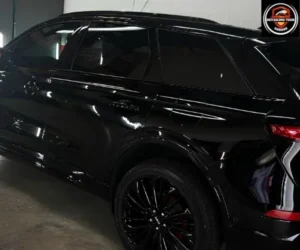
Water spots are only one aspect of paint contamination; tree sap, bug splatter, industrial fallout, and road tar also cause rapid clear coat degradation. Unprotected clear coat is organic, making it reactive to environmental acids. Ceramic coatings are chemically inert and resistant across a broad pH spectrum (typically pH 2 through pH 12). This chemical resistance provides distinct benefits:
- Lower Static Surface Attraction: The ultra-smooth surface reduces static charge, slowing down dust accumulation.
- Organic Acid Defense: Enzymes in bird droppings and insect splatter cannot immediately penetrate or etch the underlying paint.
- Brake Dust Isolation: Metallic brake particles fail to bake into wheel faces and lower rocker panels protected by high-temperature ceramic formulations.
Car owners seeking a long-lasting Miami ceramic coating solution find that traffic film and oil-based soot rinse off during routine maintenance, preserving gloss depth without requiring harsh chemical degreasers.
Professional Installation Protocols and System Quality
While temporary spray sealants provide light water repellency, professional ceramic coatings require multi-step surface preparation to ensure proper cross-linking and multi-year longevity.
- Decontamination Wash & Clay Bar Treatment: Removes embedded iron filings, tar, and bonded surface oxidation so the ceramic molecules can bond directly to raw clear coat.
- Paint Correction: Polishes away swirl marks, scratches, and haze before sealing, preventing defects from being locked under the transparent coating layer.
- Isopropanol (IPA) Surface Wipe: Strips remaining polishing oils to establish a completely clean, neutral surface state.
- Precision Application & Leveling: The coating is applied in overlapping cross-hatch sections and leveled as the carrier solvents flash off.
- Controlled Curing Phase: Infra-red curing lamps or controlled drying environments allow the molecular chains to form a dense, hydrophobic matrix.
When choosing a long-term paint defense system, investing in a professional service with a warranty ensures the application meets strict technical standards. High-grade coatings deliver unmatched durability and value, offering vehicle owners the best protection service for maintaining high gloss and surface smoothness.
Selecting a dedicated installation center establishes trust through transparent prep procedures and verified product quality. By combining precise paint correction with advanced molecular coatings, drivers experience unparalleled customer care and superior performance that keeps their vehicle looking pristine through all driving conditions.
People Also Ask
Does ceramic coating completely eliminate water spots?
No coating makes a car entirely immune to water spots. If mineral-heavy water evaporates on the surface under direct sunlight, mineral residue can remain. However, the coating prevents those minerals from etching into the clear coat, allowing them to be washed off easily without abrasive polishing.
Can I wash my ceramic-coated vehicle in direct sunlight?
Washing in direct sunlight is not recommended. Sunlight accelerates water and soap evaporation, which can leave temporary mineral spots on the ceramic layer before you can rinse and dry the vehicle with a microfiber towel.
How frequently should a ceramic-coated car be washed?
Washing every two weeks with a pH-neutral automotive shampoo is ideal. Regular washing removes accumulated road film and restores maximum surface tension, preserving the coating’s hydrophobic properties.
Will a ceramic coating protect my paint from rock chips and deep scratches?
Ceramic coatings increase surface hardness to resist light wash swirls, but they are too thin to absorb high-velocity impacts from stones or road debris. For protection against rock chips, combining paint protection film (PPF) with a ceramic topcoat provides optimal defense.
Protect Your Investment with Expert Care
Keeping your vehicle in top condition requires precision chemistry and detail-oriented craftsmanship. At Detailing Tech Garage, our business decisions are guided by integrity, excellence, and customer satisfaction. Every vehicle brought to us receives personalized care, premium products, and state-of-the-art protection tailored to preserve its appearance and long-term value.
Whether you drive a daily commuter or a high-performance luxury car, our goal is to give you total confidence in your vehicle’s protection against harsh UV rays, rain, and environmental contamination. Contact us to request a quote or schedule your service today!