Professional-grade ceramic coating functions as a sophisticated, high-performance UV filter, engineered to intercept and neutralize aggressive solar radiation before it can penetrate the vehicle’s delicate pigment layer. By creating a semi-permanent, chemically bonded barrier of liquid glass over the factory clear coat, the coating effectively seals the substrate at a molecular level. This structural integration creates an airtight environment that halts the oxidation process, the primary culprit behind paint degradation, ensuring that the finish does not become dull, chalky, or brittle even under the most punishing exposure to the sun.
Furthermore, this liquid glass layer acts as a sacrificial shield that absorbs the brunt of environmental stressors, preserving the original depth and gloss of the paintwork. Because the bond is achieved through a chemical reaction rather than a topical sit, the UV protection does not wash away or break down like traditional organic waxes. This ensures that the vehicle’s exterior retains its structural integrity and vibrant “showroom” color, significantly extending the life of the clear coat and preventing the costly surface failure typically associated with long-term UV exposure.
The Chemical Reality of Sun Damage
Standard automotive paint remains uniquely vulnerable to the high-energy wavelengths inherent in ultraviolet radiation, which act as a constant catalyst for molecular degradation. When a vehicle is left exposed to the elements without a professional-grade barrier, these aggressive UV rays penetrate the clear coat and systematically break down the chemical bonds within the paint’s pigment layer. This structural erosion manifests initially as a loss of gloss and a faded, lackluster appearance, but it eventually culminates in total clear-coat failure, a state where the protective upper layer becomes brittle, delaminates, and leaves the underlying color coat completely defenseless against corrosion.
In a high-intensity environment like Miami, FL, this degradation cycle is accelerated by a combination of extreme solar indices and high humidity, causing paint to age significantly faster than in milder, inland climates. The concentrated UV exposure in South Florida is often powerful enough to trigger visible oxidation and “chalking” within just a few years of a vehicle’s life, turning what should be a long-term asset into a maintenance liability. By recognizing these localized environmental stressors, it becomes clear that professional-grade protection is not an aesthetic luxury, but a mechanical necessity to counteract the rapid atmospheric weathering unique to the region.
Creating a Permanent UV Shield
Ceramic coating in Miami, FL provides a level of molecular stability that traditional carnauba waxes simply cannot match, particularly when subjected to extreme thermal stress. While a standard organic wax begins to lose its structural integrity, melt, and eventually evaporate at surface temperatures as low as 130°F, a professional-grade ceramic shield remains thermally stable and structurally sound at temperatures exceeding 1,000°F. This massive disparity in heat resistance is a vital consideration for any vehicle in Miami, FL, where the intense subtropical sun can easily push dark-colored body panels to blistering temperatures during a typical summer afternoon. By maintaining its hard, glass-like bond under these conditions, it ensures that your paint remains protected against oxidation and environmental fallout long after a traditional wax would have reached its melting point and vanished.
The Detailing Tech Garage Proprietary Methodology: Molecular-Bonding & Restoration
At DDM Services, we believe that true paint protection requires more than a simple application; it demands the execution of our specialized Molecular-Bonding & Restoration framework. This proprietary four-stage lifecycle is meticulously engineered to transcend the capabilities of standard retail products, creating a permanent 9H-hardness barrier that integrates directly with your vehicle’s factory clear coat. By focusing on the foundational health of the paint, we transform the surface into a high-density shield that is chemically resistant to the aggressive UV oxidation and mineral-heavy hard-water spotting common in our regional climate.
By prioritizing the structural integrity of the substrate throughout every phase of the restoration, we ensure a deep-gloss finish that fundamentally outlasts any over-the-counter solution or traditional wax. Our methodology doesn’t just sit on top of the paint; it becomes a resilient, sacrificial layer that maintains its hydrophobic properties and scratch-resistant characteristics for years, rather than weeks. This commitment to a rigorous, multi-stage bonding process provides a level of durability and environmental immunity that preserves your vehicle’s value and aesthetic brilliance against the harshest atmospheric conditions.
- Chemical & Mechanical Decontamination: We remove embedded iron, industrial fallout, and old residues to ensure the surface is surgically clean.
- Multi-Stage Paint Correction: We level the clear coat to eliminate swirls and oxidation, creating a defect-free substrate before the coating is locked in.
- Nano-Ceramic Fusion: We apply professional-grade liquid glass that chemically cross-links to the paint. This isn’t a temporary layer; it becomes a permanent part of the vehicle’s exterior.
- The “Shield-First” Result: This process creates a high-gloss, hydrophobic surface that repels contaminants and eliminates the need for traditional waxing, significantly increasing the resale value of high-value assets.
Defensive Strength Against Coastal Elements
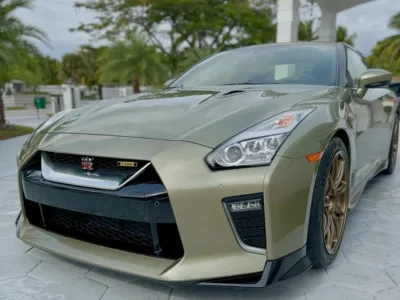
Beyond the critical necessity of solar protection, our Shield-First approach serves as an essential defense against the highly corrosive salt air that permeates coastal regions like Coconut Grove. Salt is a naturally abrasive compound that acts as a catalyst for oxidation, rapidly accelerating rust and surface degradation if it finds even the smallest microscopic pores in which to anchor. Our specialized Miami, FL ceramic coating addresses this vulnerability by creating a dense, non-porous finish that effectively levels the surface at a molecular level, preventing these airborne particles from etching into the paint or establishing a foothold for corrosion. This results in an ultra-slick surface where salt spray and environmental films can be rinsed away with minimal effort, ensuring that your vehicle’s finish remains resilient and vibrant regardless of its proximity to the ocean.
Hydrophobic Performance and Water Spotting
One of the most persistent and frustrating challenges for vehicle owners is the development of hard water spotting, which occurs when mineral-heavy rain or irrigation systems leave behind calcified deposits as they evaporate. Our Molecular-Bonding process directly addresses this issue by fundamentally altering the vehicle’s surface tension, creating an ultra-hydrophobic environment that forces water to form tight, spherical beads and roll off the substrate immediately. By preventing the water from “pinning” or flattening against the clear coat, the coating ensures that moisture and its dissolved solids are shed before they have the opportunity to dwell and etch into the paint’s surface. During a recent performance audit conducted for a client in Brickell, our technicians observed that treated vehicles required 50% less drying time compared to their unprotected counterparts and remained entirely free of the stubborn mineral deposits that typically plague untreated cars in the high-humidity Florida environment.
Preserving Long-Term Equity
A vehicle represents a significant financial investment, and its physical condition serves as the primary driver of its future market liquidity and trade-in value. Utilizing a professional Miami ceramic coating is a strategic move that transcends simple aesthetics; it functions as a long-term preservation strategy for the factory finish against the aggressive South Florida climate. By preventing the “sunburned” appearance typical of oxidized hoods and roofs, our framework maintains the deep-gloss “showroom shine” that high-end buyers and dealerships prioritize, ensuring your asset retains its maximum worth when it eventually comes time to sell or trade. This level of surface engineering effectively “freezes” the paint in its current state, shielding the substrate from the environmental erosion that typically devalues a vehicle over just a few years of coastal exposure.
Experience the Detailing Tech Garage Difference
At Detailing Tech Garage, we are passionate about precision. We treat every vehicle as a unique project, focusing on the meticulous details that preserve long-term value. Our team operates with transparency and excellence, using premium products to deliver results that make you feel proud of your vehicle every time you get behind the wheel.
We invite you to experience a customer-centric service that prioritizes quality over speed. Whether you drive a luxury performance car or a cherished daily driver, our “Shield-First” approach provides the ultimate peace of mind.
Ready to protect your vehicle’s future? Request a quote or schedule your appointment today to secure a tailored service plan for your car.
People Also Ask
Does ceramic coating stop my car from getting hot? While it doesn’t lower the cabin temperature, the coating’s high thermal resistance prevents the heat from breaking down the protective layer on the paint.
How often do I need to reapply the coating? Because our Molecular-Bonding process creates a permanent fusion with the paint, the coating does not wash off. With basic maintenance, it can last for many years.
Will this protect my car from bird droppings? Yes. The chemical resistance of a 9H barrier prevents the acids in bird droppings and bug guts from eating through the clear coat as quickly as they would on a waxed surface.
Is paint correction necessary before coating? Yes. To achieve the best results with ceramic coating, the paint must be free of defects. Coating over oxidation would simply lock in the damaged look rather than fixing it.